
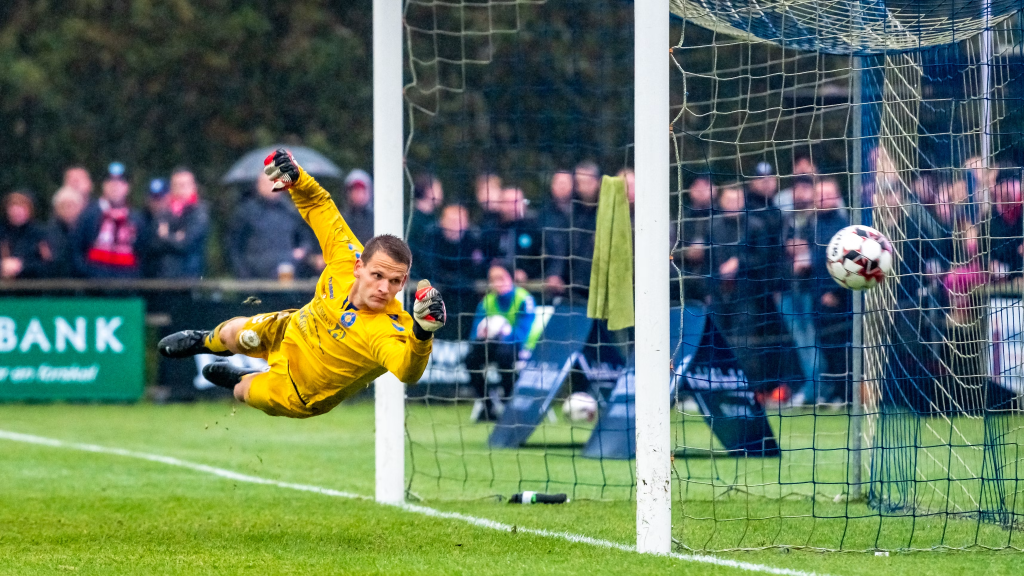
Ten years ago a scout’s notebook and a stack of recent results were enough to price a match. That changed once weather feeds became cheap to pull and easy to timestamp against kickoff. A gusting crosswind at 28 km/h changes a corner kick’s landing spot by roughly two meters, and a modeler who ignores that number is throwing away information a rival is already using.
Bettors comparing markets on platforms like x3bet increasingly see odds that shift an hour before kickoff purely on an updated wind reading, with no change in lineup or news. That single detail tells you the variable has already been folded into somebody’s pricing engine, and it rewards anyone who checks the forecast instead of only the team sheet.
How Wind Data Entered The Model
Stadium-level wind speed used to be a footnote mentioned by commentators when a long ball drifted off target. Now it arrives as structured data: hourly readings from the nearest meteorological station, adjusted for stadium orientation, then merged into the same table as passing accuracy and recent goal difference. A model trained on five seasons of Bundesliga matches found that crosswinds above 20 km/h cut successful long-pass completion by nearly nine percentage points, a swing large enough to move a match total by half a goal.
| Sport | Wind Threshold | Measured Effect |
| Football | 20+ km/h crosswind | Long-pass accuracy drops ~9% |
| Tennis | 15+ km/h gusts | First-serve percentage falls 5-7% |
| Golf | 25+ km/h sustained | Scoring average rises 1.8 strokes |
| Cricket | 18+ km/h | Swing bowling effectiveness up 12% |
Football: Crossing and Long Passes
Wingers who rely on crosses feel wind first. A team built around delivery from the flanks, say a side averaging 22 crosses a match, loses a meaningful chunk of its attacking value once sustained wind passes 20 km/h, because the ball simply doesn’t arrive where the runner expects it. Modelers now discount a crossing-heavy attack’s expected output on windy nights rather than trusting the season average blindly.
Set pieces behave the same way. A corner that normally reaches the six-yard box drifts wide often enough that some clubs now train separate wind-adjusted routines, aiming deliveries further back to compensate. Goalkeepers adjust too: a keeper facing a headwind on goal kicks shortens the target, passing to a midfielder rather than hitting the usual long ball forward. Analysts tracking possession-adjusted expected goals now flag matches where wind favors one half more, since a team defending into the wind early gets the advantage back after the break.
Tennis and Golf: Serve Speed and Ball Flight
Tennis punishes wind on the serve above almost anything else. A first serve clocked at 190 km/h in still air can lose enough pace and precision in a 15 km/h crosswind that double faults climb noticeably, which is why outdoor hard-court tournaments now log wind speed alongside break-point conversion in their own internal data feeds. Golf shows the clearest number: a sustained 25 km/h wind adds close to two strokes to a round’s scoring average across a full field, a gap that dwarfs most players’ week-to-week form swings.
Cricket sits in between. Swing bowlers actively want a light breeze, so a wind reading that hurts football or tennis can be a tailwind, literally, for a seam attack chasing lateral movement. A side that struggled to find swing on a still afternoon can look transformed once a 12-15 km/h breeze arrives, which is why some county sides now check hourly forecasts before setting a bowling order. Golf courses near open coastline see the widest swings on this list: a links course playing at par on a calm morning can add four strokes to the field average by mid-afternoon once the sea breeze builds, which is why tee times get watched almost as closely as pairings.
Why Form Alone No Longer Explains Results
Recent form still matters, but treating it as the whole story misses a variable that moves week to week independently of a squad’s quality. A team can arrive in excellent form and still underperform because the forecast, not the roster, is the dominant factor for that specific fixture. The clubs and modelers who separate these two signals price matches more accurately than those still reading form as if it explains everything on its own.
Consider a mid-table side on a five-match unbeaten run traveling to face a struggling home team under a forecast 30 km/h crosswind. Form alone points firmly one way, but if that visiting side builds most of its output through wide crosses and long diagonals, the wind erases a good part of its edge before kickoff, and a model blind to weather would misprice that match by treating both teams as if they were playing in a dome. The practical shift is small but real: check the wind reading for kickoff the same way you’d check an injury list, because on the right night it carries just as much weight.